সব
সব


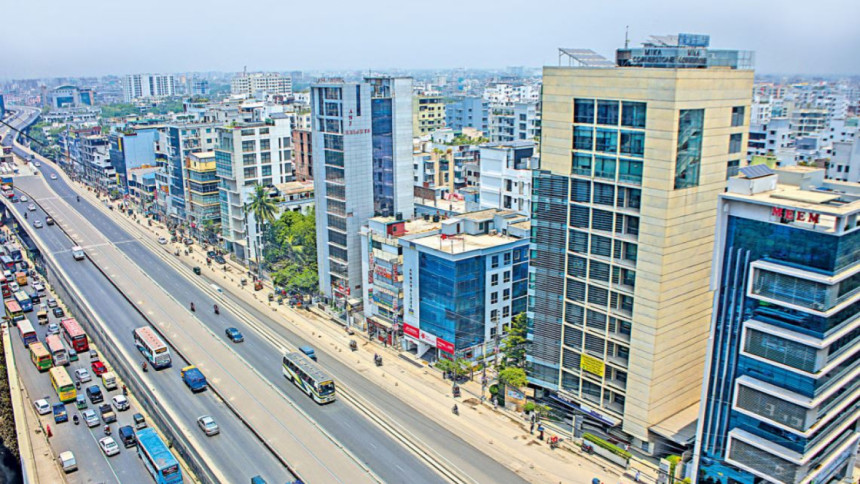
Before the 90s, Uttara offered little aside from open fields of green and waterlogged land.
But over the course of the past 30 years or so, what was once a sleepy and secluded neighbourhood has transformed into a vibrant residential and commercial district.
However, despite the locality’s metamorphosis, it has remained true to its roots as a haven away from the concrete jungle. The area has eight open parks and sprawling lakes alongside wide roads, with the greenery playing an important role in terms of quality of life.
Going for a walk in one the 18 sectors that Uttara is divided into, you may come across the sets of a movie or drama, with the scenic backdrops making the area a popular choice for filmmakers.
Considering the surroundings, plus the fact that all necessary amenities such as water and electricity, alongside education, healthcare and shopping facilities are readily available, the neighbourhood now stands as an affluent city within a city.
“I was born and raised in Uttara and I have seen the transformation of the locality from a mere village to a bustling suburb with my own eyes,” said Farzana Afrin, a housewife who lives in her ancestral home in Sector 14.
“I vividly remember going to the Rajlaxmi Complex, which was the sole shopping spot in Uttara, by boat during the floods in 1988,” she noted.
She also recounted how she was often required to travel to different parts of Dhaka.
“During my school and college life in the mid-90s, we used to go to New Market or Gausia Market to shop, but nowadays everything is available in Uttara,” Afrin commented.
In recent years, residents in Uttara have been living an even more charmed life.
Uttara had always been a transport hub given its close proximity to Gazipur, Ashulia, Mirpur, Bashundhara, and Motijheel, but forays into the heart of Dhaka were arduous slogs.
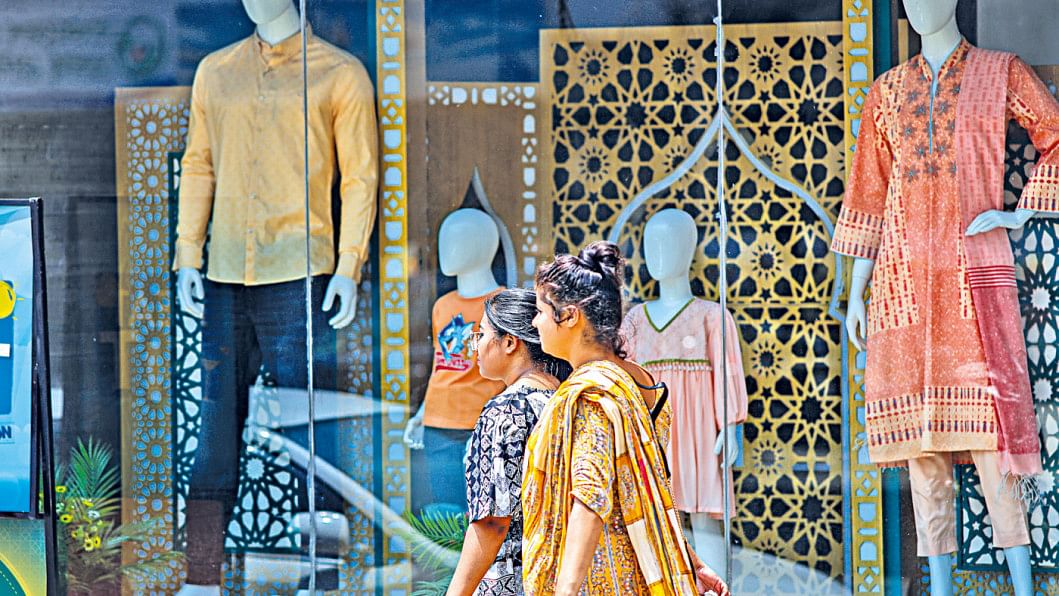
However, the Dhaka Metro Rail and Dhaka Elevated Expressway have made traversing the capital a cakewalk.
Now, residents can travel to Motijheel through the metro in half an hour compared to the two-hour journey they would have to endure in the past.
They can also reach Karwan Bazar within 10 minutes through the elevated expressway.
Rupali Chowdhury, managing director of Berger Paints Bangladesh, said Uttara’s connectivity to other parts of the city and all its amenities made it an ideal place for residential units. She also opined that Uttara was a suitable area for corporate offices as staff can stay in the area.
Over the years, Uttara has also become home to educational institutions and hospitals, making it more attractive for prospective residents.
According to a 2019 survey conducted by B-Property, a property brokerage house, Uttara is the first choice for Dhaka’s residents.
FR Khan, managing director of BTI, one of the top real estate developers, said demand for high to mid-range apartments is good in Uttara but still lower than demand for apartments in Gulshan and Baridhara.
Khan said the construction costs for buildings in Uttara are the same as they are for Gulshan and Baridhara.
However, the price of an apartment is around Tk 12,000 per square feet in Uttara while it is around Tk 28,000 in Gulshan and Baridhara, he added.
Given the price of apartments and cost of rent, the per capita income of residents of Uttara is no less than $20,000, assessed M Masrur Reaz, chief executive officer of Policy Exchange Bangladesh.